What independent designers cover
Residential furniture includes tables, chairs, beds, shelving, cabinets and storage made around a room, a collection or a particular use. A design may be made to order, produced in limited quantities or adapted from an existing model. Bespoke work normally begins with a specific client requirement rather than a fixed catalogue dimension.
Hospitality furniture has different pressures. Seating may need coordinated quantities, repair access, fabric specifications and installation planning. Tables and casework may need to fit circulation routes, service areas or an architectural drawing package. A designer-led practice should be able to state which decisions remain flexible and which are fixed by its construction method.
Contemporary craft sits between one-off making and repeatable production. The object can carry visible joinery, a hand-applied surface or a material variation while still following a controlled design. Limited production does not automatically mean bespoke. It means the number of pieces is restricted. Made-to-order means production starts after an order or agreed instruction. Ask which definition applies.
Regional cultures without hard borders
European furniture traditions cross borders through training, trade, migration, shared materials and contemporary collaboration. Timber construction, stone work, metal forming and upholstery practices appear in many regions. A workshop may combine local skills with hardware, textiles or engineering supplied from elsewhere. Avoid using a country label as a guarantee of a particular style or quality.
Instead, inspect the design logic. Look at how proportions respond to use. Check whether materials are named clearly. Review details such as drawer movement, edge treatment, grain direction, frame connections and access for repair. These observations tell you more than a broad regional description.
Selection criteria
- Portfolio shows the object type and level of customisation you need.
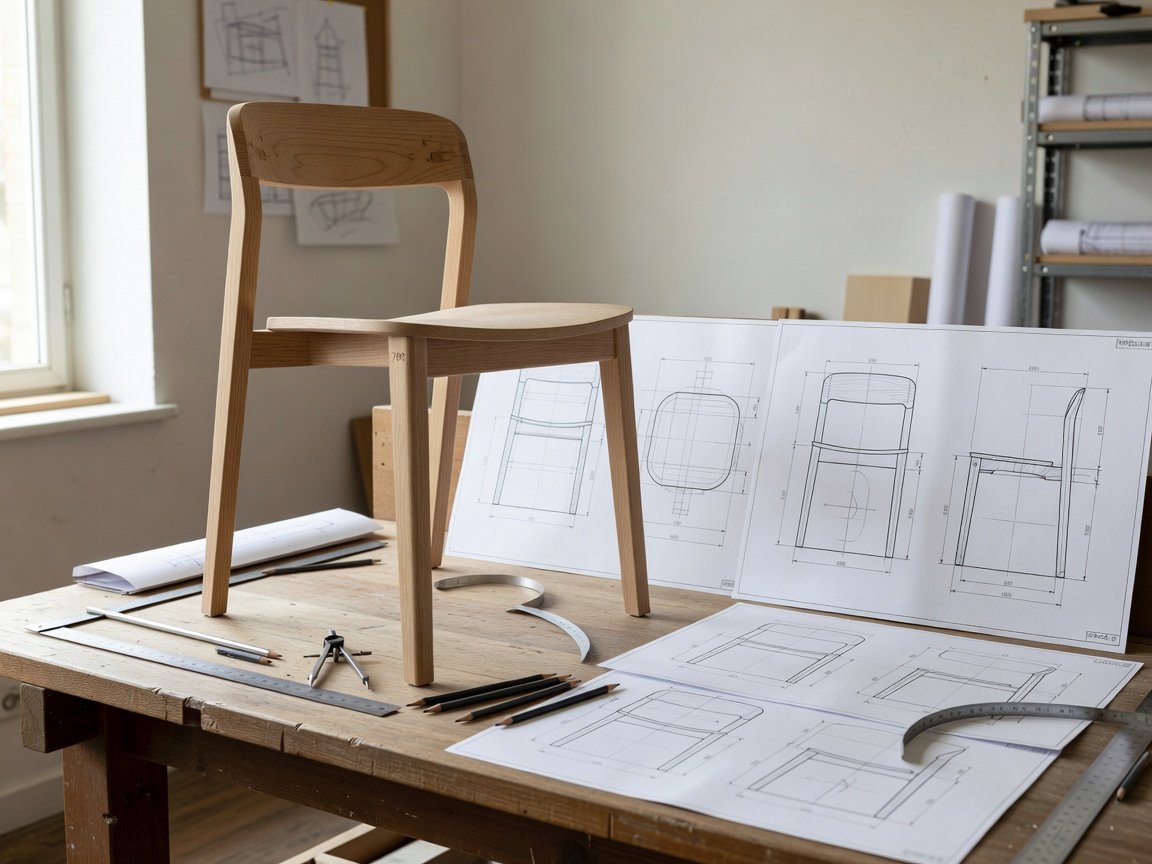
- Drawings or specification samples explain dimensions and materials.
- Production responsibility is clear between designer, maker and manufacturer.
- Communication covers revisions, approval points and installation.
- Quotation separates design, fabrication, finishing, transport and fitting.
Good for
Use an independent designer when the object needs a strong design direction, unusual proportions, coordination with an interior or a controlled material language. A workshop may be the better first contact when the design is already resolved and the primary need is accurate fabrication.
What to know
Design-led work can involve more decisions before production. Revisions affect drawings, material quantities and workshop instructions. A designer may not hold stock or provide a standard return route for a piece made to a specific dimension. Confirm approval stages, deposits, delivery responsibilities and care instructions before work begins.
Related guides
Compare workshop capabilities → Review materials and finishes →